
François Chauveau
For a room that loves old-world wonder, “Allegorical female figure points young man to Mount Parnassus (1654)” and the atmosphere it brings to the room
Choose size & finishShowing 1–24 of 55 results
François Chauveau
For a room that loves old-world wonder, “Allegorical female figure points young man to Mount Parnassus (1654)” and the atmosphere it brings to the room
Choose size & finish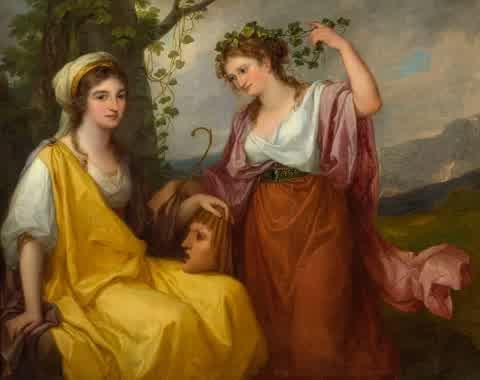
Angelica Kauffmann
The name evokes “Domenica Morghen née Volpato (1760–1811) and Maddalena Volpato née Riggi (1765–1825) as the Muses of Tragedy and Comedy (1791)” and the atmosphere it brings to the room
Choose size & finish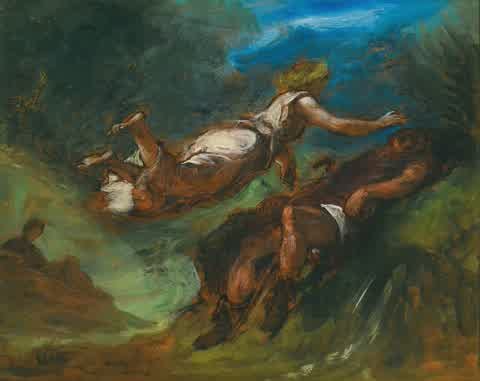
Eugène Delacroix
There is a quiet invitation in “Hésiode Et La Muse” and the atmosphere it brings to the room
Choose size & finish
Godfried Guffens
Step into a world suggested by “Thalia, Muse of Comedy (1892)” and the atmosphere it brings to the room
Choose size & finish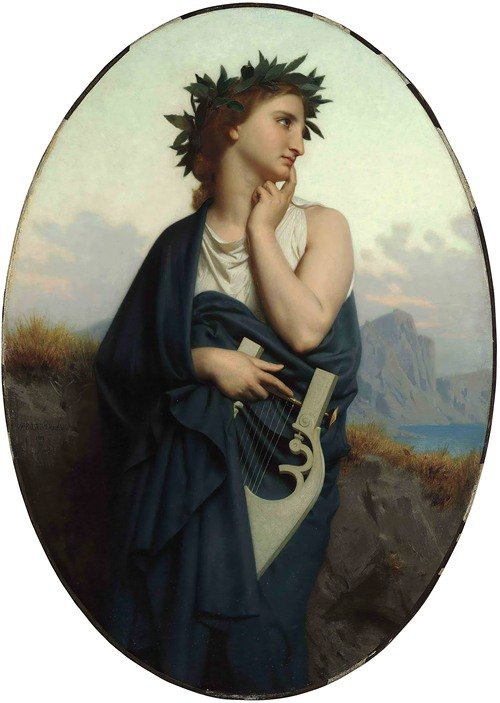
William Bouguereau
For a room that loves old-world wonder, “The Muse (Philomèle) (1861)” and the atmosphere it brings to the room
Choose size & finish
Frederic Leighton
Imagine the ancient world surrounding “Mnemosyne, Mother of the Muses” and the atmosphere it brings to the room
Choose size & finish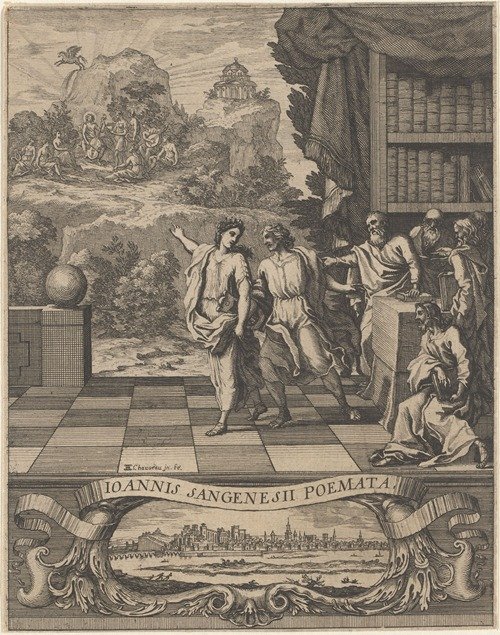
François Chauveau
For a room that loves old-world wonder, “Allegorical female figure points young man to Mount Parnassus (1654)” and the atmosphere it brings to the room
Choose size & finish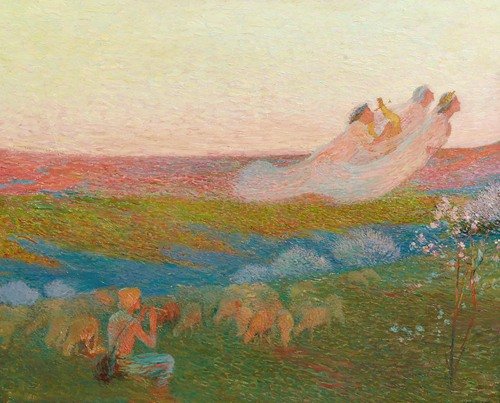
Henri Martin
The story begins with the evocative title of “Berger et ses trois muses” and the atmosphere it brings to the room
Choose size & finish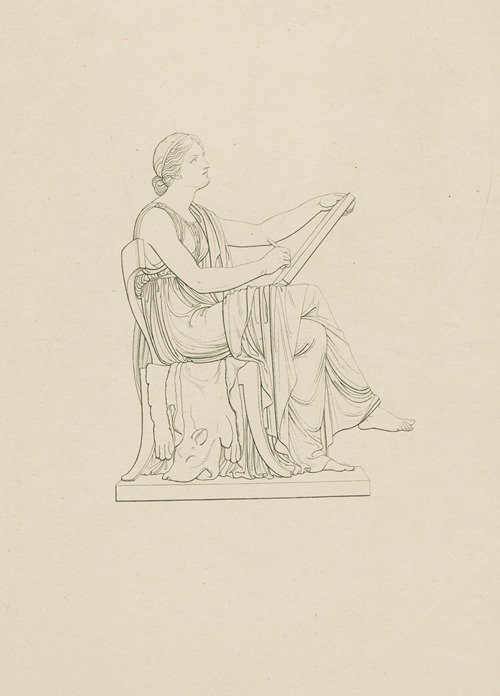
Anonymous
A touch of classical mystery begins with “Calliope, muse of epic poetry” and the atmosphere it brings to the room
Choose size & finish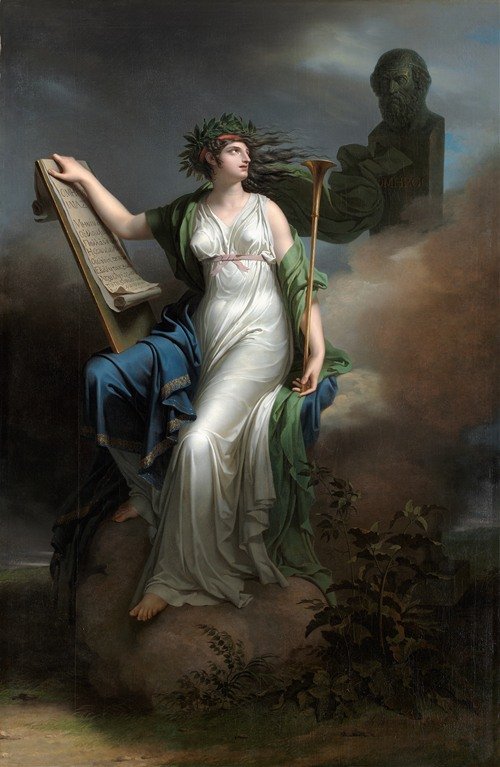
Charles Meynier
This subject opens a door to “Calliope, Muse of Epic Poetry (1798)” and the atmosphere it brings to the room
Choose size & finish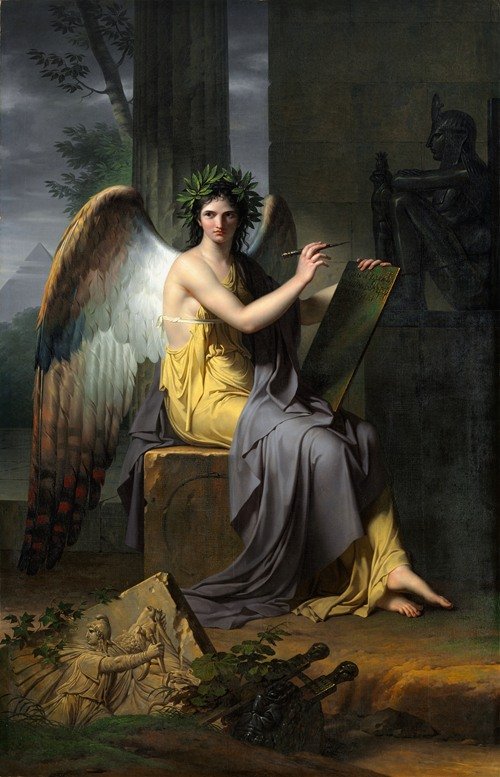
Charles Meynier
The name evokes “Clio, Muse of History (1800)” and the atmosphere it brings to the room
Choose size & finish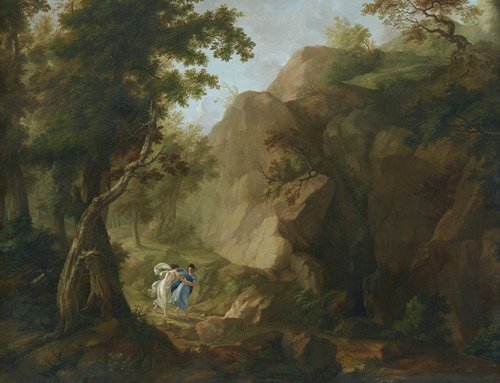
Anna Matteini
There is a quiet invitation in “Delphic Muses Approaching the Corycian Cave on Mount Parnassus, Greece (1816)” and the atmosphere it brings to the room
Choose size & finish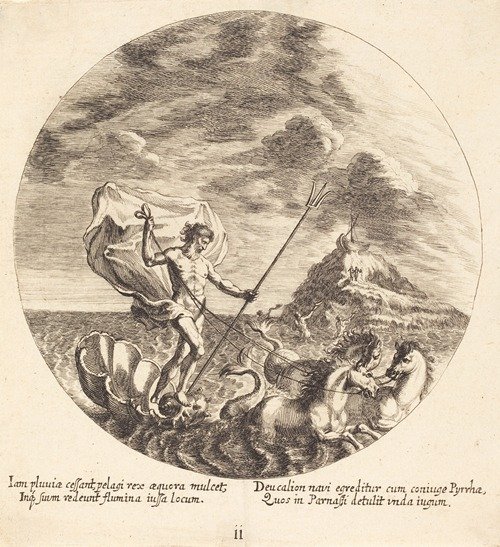
Georg Andreas Wolfgang the Elder
For a room that loves old-world wonder, “Deucalion and Pyrrha Land on Parnassus (1665)” and the atmosphere it brings to the room
Choose size & finish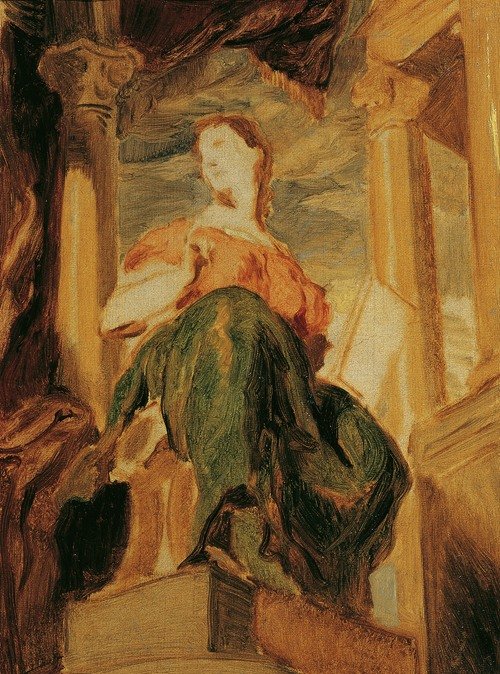
Hans Canon
Step into a world suggested by “Die Muse Clio (1875)” and the atmosphere it brings to the room
Choose size & finish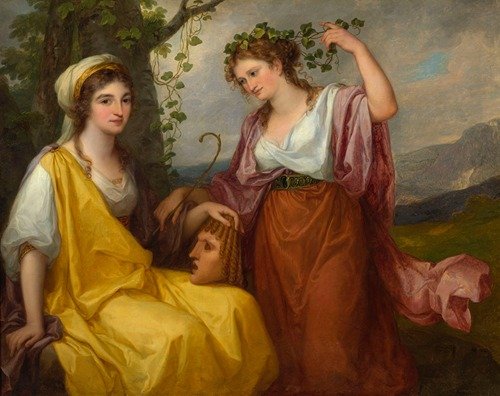
Angelica Kauffmann
The name evokes “Domenica Morghen née Volpato (1760–1811) and Maddalena Volpato née Riggi (1765–1825) as the Muses of Tragedy and Comedy (1791)” and the atmosphere it brings to the room
Choose size & finish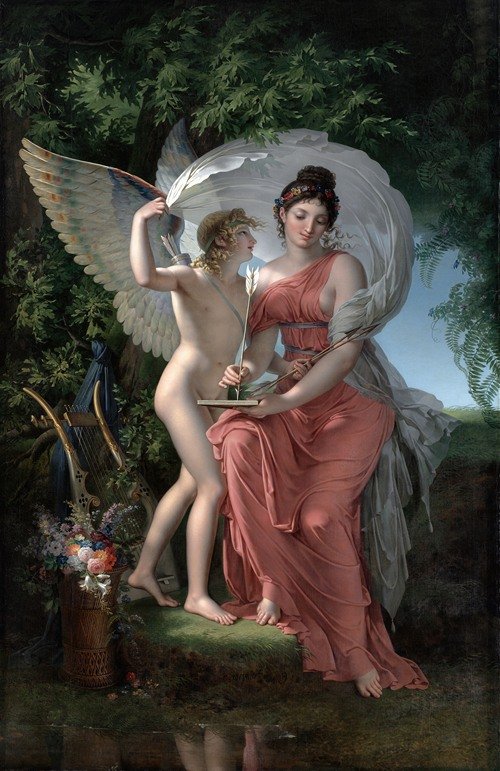
Charles Meynier
Let the title “Erato, Muse of Lyrical Poetry (1800)” and the atmosphere it brings to the room
Choose size & finish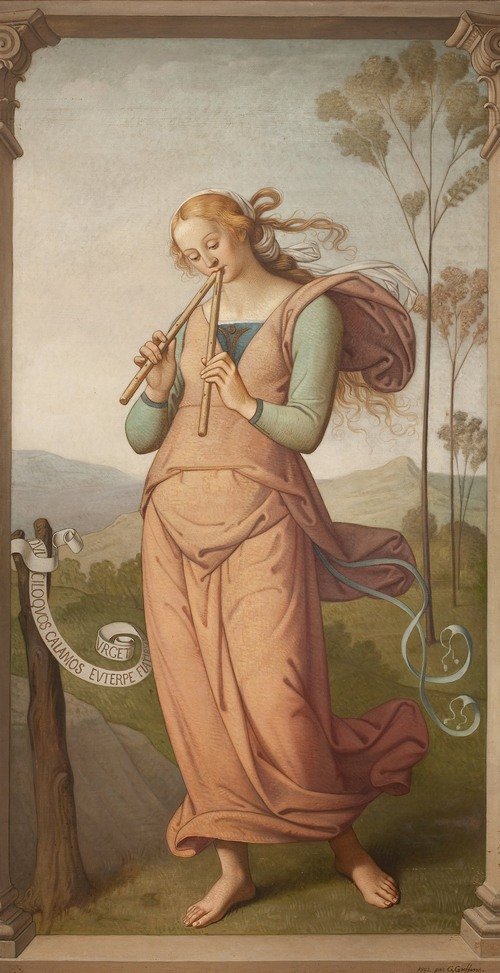
Godfried Guffens
The name evokes “Euterpe, Muse of Poetry (1892)” and the atmosphere it brings to the room
Choose size & finish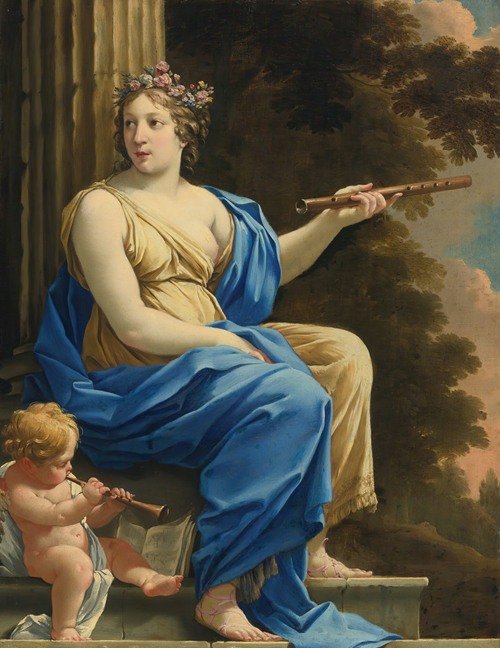
Simon Vouet
There is a quiet invitation in “Euterpe, The Muse Of Music And Lyric Poetry” and the atmosphere it brings to the room
Choose size & finish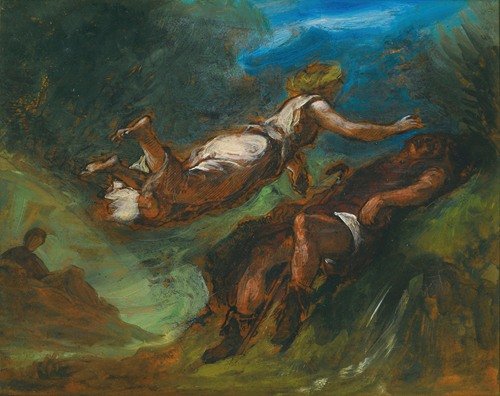
Eugène Delacroix
There is a quiet invitation in “Hésiode Et La Muse” and the atmosphere it brings to the room
Choose size & finish
Louis Candide Boulanger
The appeal of this subject lies in “La danse des Muses (1846-1851)” and the atmosphere it brings to the room
Choose size & finish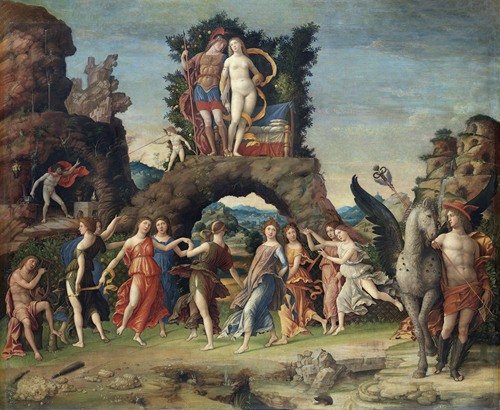
Andrea Mantegna
Step into a world suggested by “La Parnasse (1496-1497)” and the atmosphere it brings to the room
Choose size & finish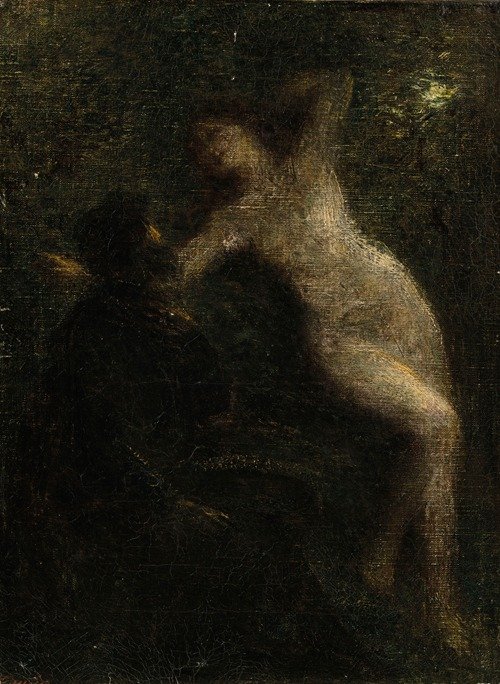
Henri Fantin-Latour
Bring home the mood of “Le poète et la muse (1901)” and the atmosphere it brings to the room
Choose size & finish
Henri Fantin-Latour
This subject opens a door to “Le poète et les muses” and the atmosphere it brings to the room
Choose size & finish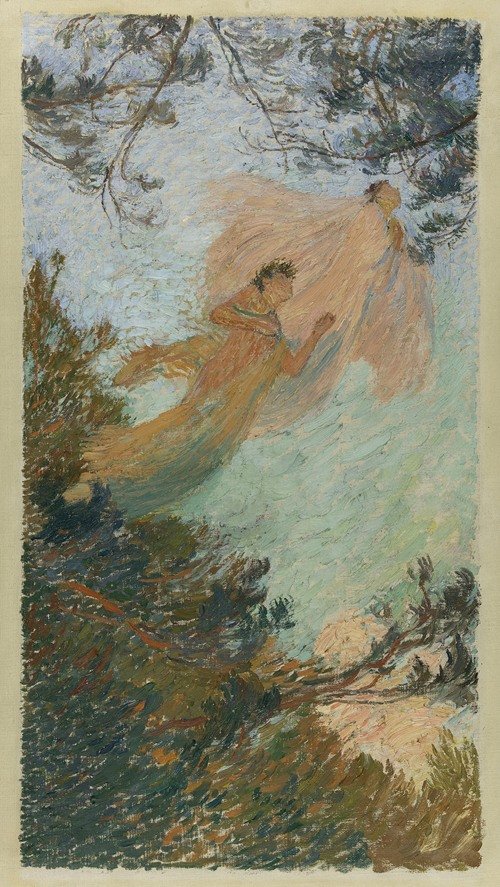
Henri Martin
The story begins with the evocative title of “Les Muses (1899)” and the atmosphere it brings to the room
Choose size & finish